

Rabby Wallet: Why I Switched to a Smarter Browser Extension Wallet
Wow, that surprised me. I remember the first time I tried a browser wallet; it felt clunky. My instinct said “don’t trust that popup” and I closed it immediately. Initially I thought all extensions were the same, but then I dug into Rabby and realized a different design ethos underlies its permission model and transaction flow, which actually reduces my cognitive load. That was the aha moment where curiosity became a practical switch.
Whoa, seriously felt safer. Rabby’s approach to separating dApp permissions from general account access is simple and powerful. They let you pre-approve contract interactions and review calls before signing. On one hand I appreciate the auditability; on the other hand, actually, there are usability trade-offs when you overcompartmentalize permissions, and that tension is interesting to watch as wallet UX matures. I tested with three chains and a dozen tokens to see how it behaved.
Really? This felt slick. The confirmation flow is clearer, showing contract methods and gas estimates up front. That reduces mistakes when you’re approving complex DeFi ops. It also highlights when dApps request broad approvals that could be risky. My analytical side then ran a thorough checklist—permissions, nonce handling, in-wallet token management, and hardware wallet compatibility—because security isn’t one thing but a chain of small guarantees.
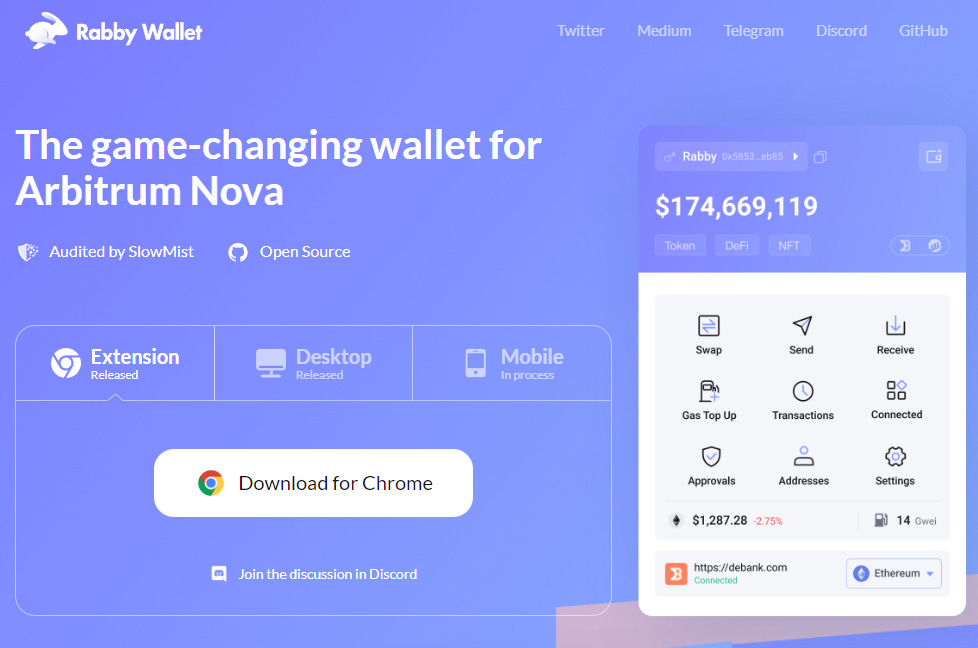
A closer look at what changed my mind
Hmm… I hesitated at first. But the extension’s multi-account view and quick asset search actually saved me time. I synced hardware wallets too and it worked smoothly. On the technical side, Rabby integrates EIP-712 signing, supports batch signing for batched transactions, and exposes a readable history so you can audit prior approvals (oh, and by the way… sometimes that history is the only thing that saved me). I’m biased, but this part bugs me less than other wallets.
Here’s the thing. Setup is straightforward; you import seed phrases or connect a Ledger. I liked that its onboarding prompts you to learn about site isolation and permission scopes. Initially I thought this was just another feature list item, but after using it I realized the educational nudges prevented me from granting blanket approvals to random DEX aggregators. Plus it’s free and open source, which is very very important to me.
Really subtle improvements. Performance is snappy even with multiple chain RPCs configured. Extensions can get laggy, but Rabby held up during heavy use. Though actually, wait—let me rephrase that: under certain network conditions you’ll see delays tied to the remote RPC providers rather than the extension itself, so it’s not a silver bullet. So you still need a reliable RPC provider or a local node for best results.
Wow, saved me time. I used the exported transaction history to reconcile a gas rebate claim. The UI isn’t flashy, but it’s functional in a low-noise way. On one hand the minimalist aesthetic reduces distraction; on the other hand developers sometimes hide advanced toggles behind menus, which creates a little friction for power users who like one-click behaviors. I’m not 100% sure if the default gas presets suit every trader.
Okay, quick caveat. No wallet is perfect, and I hit one bug where token metadata didn’t display; somethin’ wasn’t right. I reported it, got a polite response, and then followed alongside their issue tracker to see the fix unfold because transparency like that matters more than marketing blurbs. If you’re curious, try the rabby wallet download and poke around in a testnet first. Start on testnets, begin with small amounts, and grow as you gain confidence.
FAQ
Is Rabby safe to use with hardware wallets?
Yes, Rabby supports Ledger and other hardware integrations so your signing keys stay offline; still, pair devices and verify addresses before approving transactions.
Can I use Rabby across multiple chains?
Absolutely — it handles multiple chains and token lists, but remember that RPC quality affects performance, so pick reliable providers or run your own node for heavy use.
