

Exploring the psychology behind winning strategies in casinos
The Allure of Gambling: Understanding Psychological Triggers
The psychology of gambling is deeply intertwined with the emotional and cognitive triggers that compel individuals to take risks. One of the primary factors is the thrill of winning, which is often amplified by the anticipation that precedes a gamble. This emotional rush can lead players to underestimate the odds, making them more likely to engage in risky behavior in hopes of achieving that euphoric win. For those seeking further insights, visiting devmcgill.com can provide valuable information.
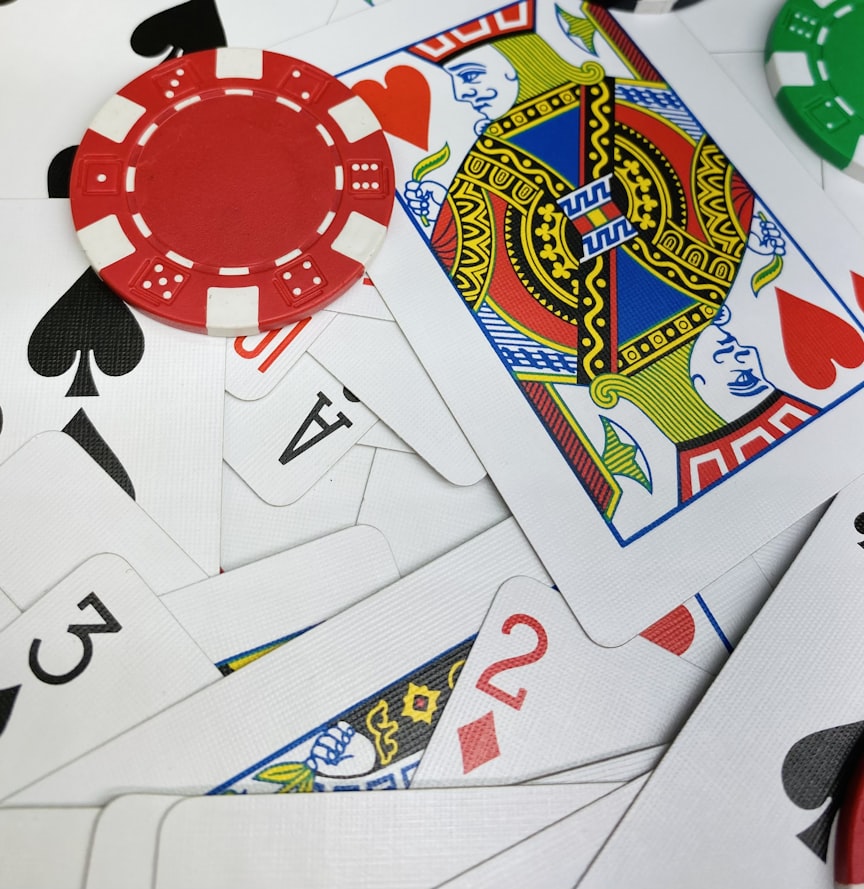
Furthermore, many casinos employ psychological tactics to create an environment that maximizes engagement. By utilizing bright lights, engaging sounds, and a sense of community, establishments enhance the overall experience, enticing players to stay longer. These factors work together to reinforce behavior that leads to repeated gambling, even in the face of potential losses.
The Role of Cognitive Biases in Casino Strategies
Cognitive biases also play a significant role in how players formulate their strategies in casinos. One common bias is the “gambler’s fallacy,” where individuals believe that past outcomes affect future results. For instance, a player who has experienced several losses may assume that a win is “due,” leading them to increase their bets. This flawed logic can create a false sense of confidence, steering players toward poor decision-making. This is essential for players to address and recognize.
Additionally, the concept of loss aversion, where individuals prefer to avoid losses over acquiring equivalent gains, can significantly influence casino strategies. Players may chase losses, trying to recoup what they have lost rather than walking away, which often results in greater losses. Understanding these cognitive biases can help players recognize their pitfalls and develop more rational strategies in gambling contexts.
The Impact of Social Influences on Gambling Behavior
Social dynamics play a crucial role in gambling, often shaping how individuals interact with games and their strategies. Gamblers frequently engage in discussions about strategies, share tips, and even celebrate wins together, which can create a sense of belonging. This social interaction not only enhances the enjoyment of gambling but can also reinforce risky behaviors.
Moreover, peer pressure can influence betting behaviors, leading individuals to take risks they may not typically consider if they were alone. The desire to fit in or impress others can result in larger bets or participation in high-stakes games, ultimately affecting their financial well-being. Recognizing these social influences is essential for developing a more balanced approach to gambling.
Creating Personal Winning Strategies: Psychological Insights
Individuals looking to enhance their winning strategies in casinos should consider leveraging psychological insights to inform their approach. One effective strategy is setting personal limits regarding time and money spent while gambling. By establishing boundaries, players can reduce the likelihood of chasing losses and manage their emotions more effectively.
Additionally, employing self-awareness techniques, such as reflecting on past behaviors and outcomes, can help players identify patterns that may lead to undesirable results. By understanding their responses to wins and losses, gamblers can devise tailored strategies that align more closely with rational decision-making, ultimately improving their overall experience and reducing potential losses.

Connecting with a Community: Your Resource for Casino Insights
This website serves as a valuable resource for individuals interested in exploring the psychology behind gambling strategies. By accessing a wealth of knowledge and shared experiences, users can enhance their understanding of effective practices and avoid common pitfalls. The platform promotes responsible gambling by encouraging awareness and education.
Through engaging content and community interaction, visitors can deepen their grasp of psychological principles related to gambling and develop winning strategies tailored to their unique experiences. This proactive approach can help foster a healthier relationship with gambling while maximizing enjoyment and minimizing risks.
